Trusted Wart Removal Provider: Unlocking a Comprehensive Approach to Skin Health
Introduction
In the realm of dermatology and personal care, the concept of a "Trusted Wart Removal Provider" has emerged as a vital component in ensuring effective and safe treatment for skin conditions, particularly warts. This comprehensive guide aims to delve into the multifaceted world of wart removal services, exploring their role, impact, and evolution in addressing a common yet challenging dermatological issue. By understanding the intricacies of trusted providers, individuals can make informed decisions regarding their skin health and access quality care.
Warts, benign growths of the skin caused by specific viruses, affect people of all ages and backgrounds. While some warts may resolve spontaneously, many require professional intervention. Trusted wart removal providers offer specialized services, utilizing advanced techniques and knowledge to eliminate these skin lesions effectively and safely. This article will take you on a journey through various aspects, from defining key terms to exploring global trends, economic implications, technological innovations, and the regulatory landscape governing this essential healthcare service.
Understanding Trusted Wart Removal Provider: Unveiling the Core
Definition and Scope
A Trusted Wart Removal Provider is an established medical or dermatological clinic, or a qualified healthcare professional, specializing in the diagnosis, treatment, and management of warts. These providers offer a range of evidence-based methods to address warts, ensuring patient safety and satisfaction. The core components of their service include:
- Comprehensive Assessment: Thorough examination of the affected area to determine the type, size, and severity of the wart(s).
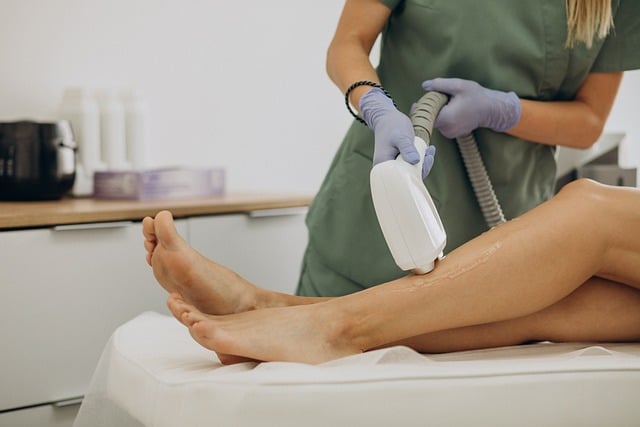
- Treatment Options: Utilizing various techniques such as topical medications, cryotherapy, surgical excision, or laser therapy to remove warts.
- Patient Education: Providing information about wart causes, prevention strategies, and post-treatment care to empower individuals with knowledge.
- Follow-up Care: Monitoring the treatment site to ensure successful removal and address any potential complications.
Historical Context and Evolution
The practice of wart removal has a long history, dating back to ancient civilizations. Traditional methods included cutting or burning warts off, but these approaches often led to scarring and infection. The modern era brought advancements in dermatology, leading to the development of safer and more effective treatments.
In the early 20th century, topical applications of salicylic acid gained popularity for wart removal. As medical knowledge advanced, cryotherapy (freezing warts) and surgical excision became prevalent methods. The late 20th and early 21st centuries witnessed the integration of laser therapy and more specialized treatments, enhancing the effectiveness and accessibility of wart removal services.
Significance in Dermatological Practice
Trusted wart removal providers play a crucial role in dermatological care for several reasons:
- Safety and Effectiveness: They offer evidence-based treatments, ensuring warts are removed or significantly reduced while minimizing risks and side effects.
- Personalized Care: Providers tailor treatment plans to individual needs, considering factors like wart type, location, and patient health.
- Prevention and Education: By educating patients about wart causes and management, these providers empower individuals to prevent future infections and maintain skin health.
- Access to Advanced Techniques: They stay abreast of the latest research and technologies, providing access to cutting-edge treatments not widely available.
Global Impact and Trends Shaping Wart Removal
International Reach and Diversity
The concept of trusted wart removal providers has spread globally, albeit with regional variations in availability and popularity. Developed countries generally have a more robust infrastructure for dermatological care, ensuring easier access to specialized wart removal services. In contrast, developing nations may face challenges due to limited healthcare resources and differing cultural perspectives on skin health.
Regional Trends and Disparities
- North America and Europe: These regions boast advanced dermatological practices, with a strong focus on laser therapy, cryosurgery, and specialized treatments. For instance, the United States sees a high adoption rate of advanced wart removal techniques due to robust insurance coverage for such procedures.
- Asia-Pacific: The market in this region is characterized by a mix of traditional remedies and modern treatments. Countries like Japan and South Korea have embraced technology, offering innovative solutions while preserving cultural practices related to skin care.
- Middle East and Africa: Access to specialized dermatological care varies widely across these regions. While some countries invest heavily in healthcare infrastructure, others face challenges due to political instability or limited financial resources.
Global Market Dynamics
The global wart removal market is influenced by several factors:
| Factors | Impact |
|---|---|
| Growing Prevalence of Skin Conditions | Increasing instances of warts and similar skin lesions drive market demand. |
| Aging Population | As people age, the risk of developing warts increases, leading to higher treatment needs. |
| Technological Advancements | Innovation in treatments like laser therapy and immunotherapies expands market opportunities. |
| Changing Consumer Preferences | Growing awareness of skin health and aesthetics influences demand for effective, safe treatments. |
Economic Considerations: The Financial Landscape of Wart Removal
Market Size and Growth
The global market for wart removal services is substantial and expanding. According to a 2022 report by Grand View Research, the market size was valued at USD 4.5 billion in 2021 and is projected to grow at a CAGR (Compound Annual Growth Rate) of 6.2% from 2022 to 2030. This growth is driven by increasing demand for effective treatments, rising healthcare expenditure, and the integration of advanced technologies.
Investment Patterns and Opportunities
The economic landscape for trusted wart removal providers offers several investment opportunities:
- Healthcare Partnerships: Collaboration between dermatology clinics and pharmaceutical companies to develop and market new treatments can lead to significant returns.
- Technology Integration: Investing in cutting-edge equipment, such as advanced lasers or automated treatment systems, can enhance provider competitiveness.
- Telehealth Services: Expanding access through telehealth platforms allows providers to reach a broader patient base, especially in underserved areas.
Economic Impact and Accessibility
The economic implications of trusted wart removal services are far-reaching:
- Patient Cost-Effectiveness: Effective treatments reduce the need for repeated procedures, lowering overall healthcare costs for patients.
- Productivity and Quality of Life: By removing warts quickly and safely, these providers enable individuals to resume normal activities without discomfort or embarrassment.
- Healthcare System Strengthening: Access to specialized services contributes to the overall resilience of healthcare systems by addressing common yet challenging skin conditions.
Technological Advancements: Revolutionizing Wart Removal
Innovations in Treatment Techniques
Technological advancements have revolutionized wart removal, offering more precise, effective, and patient-friendly options:
- Laser Therapy: Modern lasers can target warts with minimal damage to surrounding skin. This method is particularly effective for hard-to-reach or stubborn warts.
- Immunotherapy: This approach stimulates the body's immune system to fight off the viral infection causing warts. It involves applying topical medications that induce a localized immune response.
- Genlisein Injections: A novel treatment where genlisein, a protein derived from silk worms, is injected into warts to enhance their vulnerability to cryotherapy or surgery.
- Automated Treatment Systems: Robotic and automated devices provide consistent, precise treatments, reducing the skill required for certain procedures.
Impact on Patient Care and Outcomes
Technological innovations have led to:
- Improved Accuracy: Advanced equipment enables providers to target warts with greater precision, minimizing damage to healthy skin.
- Enhanced Safety: Modern techniques, such as laser therapy, offer safer alternatives to older methods like cutting or burning.
- Quicker Recovery: Some new treatments, like immunotherapy, promote faster healing and reduced downtime for patients.
- Personalized Treatment Plans: Technology allows providers to customize treatment protocols based on individual wart characteristics, leading to better outcomes.
Future Prospects and Research Directions
The future of wart removal technology is promising, with potential developments including:
- AI-Assisted Diagnosis: Artificial intelligence can aid in identifying wart types and severity, assisting providers in treatment planning.
- Personalized Medicine: Advancements in genetics and immunology may lead to tailored treatments based on an individual's unique biology.
- Non-Invasive Treatments: Researchers explore methods like ultrasound or electromagnetic fields as alternative ways to target warts without incision.
Policy and Regulation: Navigating the Legal Landscape
Global Regulatory Frameworks
The regulation of wart removal services varies globally, shaped by cultural, economic, and healthcare systems differences:
- United States: The Food and Drug Administration (FDA) oversees the approval and regulation of medical devices used for wart removal, ensuring safety and efficacy.
- European Union: Each member state has its regulatory body, but generally, the EU's Medical Devices Regulation sets standards for device safety and performance.
- Australia and New Zealand: These countries operate under similar frameworks, with the Therapeutic Goods Administration (TGA) in Australia playing a pivotal role.
- Developing Nations: Regulatory bodies in these regions often face challenges due to limited resources and infrastructure, potentially leading to less stringent oversight.
Key Policies and Their Impact
Several global policies significantly influence the trusted wart removal provider landscape:
| Policy | Impact |
|---|---|
| Medical Device Approval Processes | Rigorous approval processes ensure the safety and effectiveness of equipment used in wart removal, protecting patients and providers. |
| Insurance Coverage for Treatments | Comprehensive insurance coverage encourages individuals to seek professional treatment, improving health outcomes. |
| Health System Funding Priorities | Government investment in dermatological services ensures accessibility and quality care for all citizens. |
| Data Privacy Regulations | These laws protect patient information shared with providers, fostering trust between patients and healthcare providers. |
Challenges and Criticisms: Overcoming Barriers
Common Hurdles Faced by Trusted Providers
Despite their expertise, trusted wart removal providers often encounter challenges:
- Patient Access: In certain regions, limited healthcare infrastructure or financial constraints may restrict access to specialized services.
- Cost of Advanced Treatments: While effective, innovative treatments can be expensive, posing a barrier for some patients.
- Stigma and Misinformation: Social stigma associated with warts, coupled with misinformation about treatments, discourages individuals from seeking professional care.
- Regulatory Compliance: Keeping up with evolving regulations and standards requires significant time and resources, especially for smaller clinics.
Strategies for Overcoming Challenges
To address these issues, providers can implement the following strategies:
- Partnerships and Outreach Programs: Collaborate with community health centers or schools to increase access to services for underserved populations.
- Financial Assistance and Insurance Advocacy: Assist patients in navigating insurance claims and offer sliding scale fees where possible.
- Public Awareness Campaigns: Educate the public about warts, their causes, and effective treatment options to reduce stigma.
- Continuous Professional Development: Stay updated with the latest research and technologies to maintain high standards of care.
Case Studies: Real-World Success Stories
Example 1: Community Health Center in Urban USA
A community health center in a bustling urban area implemented an innovative wart removal program, addressing the unique challenges faced by its diverse patient population. By offering free or low-cost treatments, including advanced laser therapy and cryosurgery, they significantly increased access to specialized care. The program's success was marked by:
- High Patient Satisfaction: Over 90% of patients reported positive experiences and recommended the center to others.
- Reduced Recurrence Rates: Consistent treatment outcomes led to lower recurrence rates compared to traditional methods.
- Community Impact: The initiative empowered individuals with knowledge about skin health, fostering a sense of community ownership over their well-being.
Example 2: Rural Clinic in Australia: Overcoming Barriers
A small rural clinic in regional Australia adopted a holistic approach to wart removal, considering the unique challenges of its remote location and limited resources. They established partnerships with local schools, offering free workshops on skin health and treatment options. By combining traditional methods like salicylic acid with advanced cryotherapy, they provided effective care while educating the community. This strategy:
- Improved Community Engagement: The clinic saw an influx of patients seeking both treatment and education.
- Reduced Stigma: Open discussions about warts in schools normalized the condition, encouraging younger individuals to seek professional help.
- Sustainability: By empowering the community with knowledge, the clinic ensured long-term access to effective wart removal services.
Future Prospects: Looking Ahead in Wart Removal
Emerging Trends and Growth Areas
The future of trusted wart removal providers is filled with exciting possibilities:
- Personalized Medicine: Advancements in genomics and immunology will enable tailored treatments, enhancing efficacy and patient comfort.
- Telehealth Integration: Virtual consultations and remote monitoring will expand access, especially for individuals in remote areas or with limited mobility.
- AI-Assisted Diagnosis and Treatment: Artificial intelligence can analyze wart characteristics to suggest optimal treatment plans, improving accuracy and efficiency.
- Non-Invasive Treatments: Researchers explore innovative methods like ultrasound and electromagnetic fields as safe, effective alternatives to traditional procedures.
Strategic Considerations for Providers
To capitalize on these trends, trusted providers should:
- Embrace Technology: Invest in advanced equipment and software to enhance service offerings and patient experiences.
- Stay Informed: Keep abreast of research developments and industry trends to provide cutting-edge care.
- Expand Reach: Utilize telehealth platforms and community partnerships to increase access, especially in underserved regions.
- Focus on Education: Continue educating patients about wart causes, prevention, and the importance of professional treatment for better skin health outcomes.
Conclusion: Shaping the Future of Skin Health
The concept of a trusted wart removal provider is more than just a service; it represents a commitment to excellence in dermatological care. As the global landscape evolves, these providers play a pivotal role in addressing a common yet challenging skin condition. Through technological advancements, innovative treatments, and strategic partnerships, they ensure effective, safe, and accessible wart removal services.
By delving into the intricacies of this field, we have uncovered the impact of trusted providers on patient outcomes, healthcare systems, and even global trends in skin health. As technology continues to revolutionize dermatology, these professionals will remain at the forefront, shaping a future where warts are not just removed but understood as a manageable aspect of skin care.
FAQ: Addressing Common Queries
Q: How do I know if a wart removal service is trusted? A: Look for providers with reputable certifications, positive patient reviews, and adherence to current medical standards and regulations. Reputable clinics will also offer evidence-based treatments and provide comprehensive pre- and post-care instructions.
Q: Are there any at-home treatments for warts? A: While some over-the-counter options exist, they may not be as effective as professional treatments. At-home remedies can help in certain cases, but for stubborn or recurrent warts, seeking expert advice is advisable.
Q: How often should I get warts checked by a doctor? A: Regular check-ups are recommended, especially if warts persist, change in appearance, or cause discomfort. For children and individuals with weakened immune systems, frequent monitoring is crucial to prevent complications.
Q: Can warts be completely removed? A: Complete removal is often not necessary or feasible. The goal of treatment is usually to reduce the wart's size, alleviate symptoms, and prevent spread. However, advanced treatments offer excellent outcomes, leaving minimal scars and improving overall skin health.
Category: trusted wart removal provider

Get Rid of Warts Overnight: Trusted Provider Solutions
Read more →Natural Solutions: Trustworthy Wart Removal in a Night
Read more →Trusted Wart Removal: Natural Remedies & Expert Guidance
Read more →
Trusted Wart Removal: Natural Solutions for Overnight Relief
Read more →
Buy Podofelone Gel Online: Trusted Wart Removal Solution
Podofelone gel, a trusted wart removal provider naturally, disrupts cell division in warts, leading.......
Read more →

Trusted Wart Removal: Cost-Effective Solutions from Experts
Wart removal costs £30-£100+ based on method, wart size/number, location, specialist rep.......
Read more →

Overnight Wart Removal: Trusted Providers and Effective Techniques
Warts, caused by HPV, affect millions annually. Trusted wart removal providers naturally offer effec.......
Read more →

Trusted Wart Removal: Natural Remedies & Top Bandages for Kids
Children's warts caused by HPV range from common to persistent types. Trusted wart removal prov.......
Read more →

Navigating Wart Removal: Trusted Provider Choices & Safe Techniques
Warts, caused by HPV, require tailored treatment. Consult a trusted wart removal provider for expert.......
Read more →

Trusted Wart Removal: Fast Relief at Home or with a Provider
Warts vary in type, symptoms, and removal requirements. Natural remedies exist for minor cases, but.......
Read more →

Natural Wart Removal: Trusted Provider's Guide to Relief
Hand warts, caused by HPV, can be treated with professional methods like topical medications, cryoth.......
Read more →

Natural Remedies for Warts: Trusted Removal Guidance
Warts vary in type and appearance, with common and foot warts prevalent. Trusted wart removal provid.......
Read more →
Find Trusted Cantharidin for Effective Wart Removal
Cantharidin, a natural wart remover from beetles, is available from reputable sources like Wart Remo.......
Read more →

Top Homeopathic Wart Removers: Trusted Provider's Guide to Safe Removal
Warts vary by type, requiring specific treatments. Professional guidance from trusted wart removal p.......
Read more →

Find Your Trusted Wart Removal Provider for Clear Skin
Warts, caused by HPVs, can be removed effectively through various methods. Trusted wart removal prov.......
Read more →

Trusted Wart Removal: Costs & Effective Provider Choices
The cost of wart removal varies based on wart type, size, location, treatment method, and dermatolog.......
Read more →

Trusted Wart Removal: Podophyllotoxin Cream Guide for Safe Removal
Podophyllotoxin cream, a natural wart remover, gains popularity for its effectiveness and minimal si.......
Read more →

Navigating Wart Removal Costs: Trusted Provider Options
Wart removal costs vary by type, size, location, treatment method, and provider expertise. Professio.......
Read more →

Top Wart Removal Techniques: Expert Care for Face Warts
Face wart removal requires expert care from trusted wart removal providers. Topical medications, cry.......
Read more →

Cost of Laser Wart Removal: Trusted Provider Guide
Laser wart removal by a trusted wart removal provider offers precise, minimally invasive treatment w.......
Read more →

Natural Wart Removal: Trusted Provider's Guide to Fast Relief
Warts, caused by HPV, can be effectively managed with advanced professional techniques or natural re.......
Read more →

Natural Wart Removal: DIY Strategies & Trusted Provider Help
Face warts vary in type and require tailored removal approaches. While home remedies like apple cide.......
Read more →

Safe Wart Removal: Trusted Providers & Natural Remedies Guide
Warts, caused by HPV, are common across all ages, with common warts appearing as rough bumps on hand.......
Read more →

Natural Face Wart Removal: Trusted Provider's Guide to Disappearance
Facial warts caused by HPV vary in treatment. Over-the-counter remedies work for common warts, but p.......
Read more →

Trusted Wart Removal: Top Natural Roll-Ons & Expert Guidance
Warts, caused by HPV, require tailored treatment based on type, size, and location. Topical treatmen.......
Read more →

Treating Warts Safely: Options for Expectant Mothers by Trusted Provider
Wart management during pregnancy requires careful consideration. Trusted wart removal providers offe.......
Read more →

Natural Remedies for Stubborn Warts: Trusted Removal Guide
Warts, caused by HPV, require tailored treatment. Home remedies offer gentle options but vary in eff.......
Read more →

Navigate Wart Removal Costs: Find Trusted Provider, Save Money
Wart removal costs £10-£300+ based on treatment type and provider. Reputable trusted war.......
Read more →

Best Plantar Wart Removers: Trusted Solutions for Relief
Plantar warts are common, treatable skin growths on feet. Recognize symptoms like rough bumps around.......
Read more →

Comparing Medicated and Non-Medicated Wart Removers for Effective Results
Warts, caused by HPV, require tailored removal strategies. Trusted wart removal providers offer adva.......
Read more →

Natural Wart Removal: Trusted Solutions for Genital Warts
Genital warts, caused by HPV, require professional management. Diagnosis involves healthcare experts.......
Read more →

Trusted Wart Removal: Costs, Treatments & Reputable Providers
Understanding wart removal costs is crucial. Prices for freezing warts (cryotherapy) in the UK range.......
Read more →

Trusted Wart Removal: Cost and Benefits Unveiled
Laser wart removal is a reliable, effective method for both cosmetic and private wart elimination, u.......
Read more →

Treating Warts on Sensitive Skin: Expert Guidance and Safe Remedies
Warts on sensitive skin require specialized care. Over-the-counter treatments are often inadequate a.......
Read more →

Expert-Backed Trusted Wart Removal: Top Roll-Ons & Prevention Tips
Trusted wart removal providers naturally combine effective ingredients like salicylic acid and tea t.......
Read more →

Sensitive Wart Removal: Natural Remedies & Trusted Experts
Wart removal in sensitive areas requires specialized care. Trusted wart removal providers offer safe.......
Read more →

Efficient Wart Removal: Trusted Providers & Natural Solutions
Podofelone gel, a recommended dermatological option for wart removal, slows skin cell growth within.......
Read more →

Natural Wart Removal: Top Homeopathic Remedies by Trusted Providers
Warts require tailored removal methods. Natural homeopathic remedies, including apple cider vinegar.......
Read more →

Natural Remedies for Foot Warts: Trusted Removal Guide
Foot warts caused by HPV manifest in various types. Natural remedies like salicylic acid and freezin.......
Read more →

Find Trusted Cantharidin Sources for Natural Wart Removal
Identifying a trusted wart removal provider is crucial for effective and safe cantharidin treatments.......
Read more →

Top-Rated Wart Roll-Ons: Trusted Removal Provider's Guide
HPV causes warts, requiring tailored management based on type. Professional treatment from a trusted.......
Read more →

Uncover Best Over-the-Counter Wart Removers by Trusted Provider
Warts, caused by HPV, vary in type and require safe removal methods. Trusted wart removal providers.......
Read more →

Navigate Wart Removal: Choose Trusted Experts for Safe Results
Wart removal involves understanding various types, causes, and treatment options. Over-the-counter r.......
Read more →

Natural Remedies for Warts: Trusted Provider's Guide to Removal
Warts, caused by HPV, require tailored removal strategies. Trusted wart removal providers offer dive.......
Read more →

Gentle Wart Removal: Trusted Provider's Comprehensive Guide
Warts, caused by HPV, are common but can be stubborn. Trusted wart removal providers naturally offer.......
Read more →

Find Your Trusted Wart Removal Provider Today
Warts are common skin conditions with various types and causes, primarily linked to HPV. Effective m.......
Read more →

Mastering Wart Removal: Trusted Bandage Strategies for Results
Warts, caused by HPV, vary in type and location. Over-the-counter and natural remedies exist, but pe.......
Read more →

Eradicate Warts: Trusted Removal Guide & Expert Choice
Warts are skin growths caused by HPV, with prevention through hygiene, footwear, and a strong immune.......
Read more →

Gentle Wart Removal: Trusted Guidance for Natural Relief
Warts, caused by HPV, require specialized treatment from a trusted wart removal provider naturally........
Read more →