
Warts, caused by HPV, require tailored removal strategies. Trusted wart removal providers offer advanced technology and personalized solutions. Topical creams are popular but variable; combining them with procedures enhances outcomes. Non-medicated methods like duct tape or garlic are gentle, accessible, and effective for some types. Medicated options provide higher success rates but may have side effects. Consulting healthcare professionals is crucial for determining the best approach based on wart type, severity, and individual needs. Balancing effectiveness, safety, and personalized care ensures optimal wart removal from trusted providers.
Warts are a common skin concern, affecting people of all ages. Effective removal is essential for both aesthetic reasons and to prevent discomfort or infection. The market offers various options, including medicated and non-medicated approaches. While many opt for over-the-counter remedies, understanding the nuances between these categories is crucial for successful treatment. This article aims to provide a comprehensive comparison, guiding readers toward making informed decisions as they seek relief from unsightly warts. As a trusted wart removal provider naturally, we delve into the science behind each method, highlighting their pros, cons, and suitability for different cases.
- Understanding Warts: Causes, Types, and Common Treatments
- Medicated Options: Topical Creams and Their Efficacy
- Non-Medicated Approaches: Natural Remedies and Home Care
- Trusted Wart Removal Provider: Choices and Considerations for Effective Results
Understanding Warts: Causes, Types, and Common Treatments
Warts are common skin growths caused by the human papillomavirus (HPV). They can appear anywhere on the body but most frequently occur on the hands and feet. While they are usually harmless, warts can be unsightly and cause discomfort or pain, especially if they develop on areas subject to friction or pressure. Understanding the causes and types of warts is essential when considering wart removal options.
There are numerous types of warts, each with distinct characteristics. Common warts, also known as verrucae, tend to be rough, flesh-colored bumps that can appear anywhere but are most prevalent on the hands and feet. Plantar warts, in contrast, grow on the soles of the feet and often resemble small, hard calluses. They can cause discomfort when walking or running due to their location. Flat warts are smooth, flat lesions that usually occur on the face, arms, or legs and may be pink, brown, or skin-colored. Genital warts, caused by certain types of HPV, require prompt medical attention as they can lead to serious health issues if left untreated.
Treatment options for warts vary depending on their type, size, and location. Topical treatments, including over-the-counter creams and salves, are a common first step. These medications usually contain chemicals like salicylic acid that help dissolve the wart’s skin. However, results can be slow, and these treatments may not be effective for all types of warts. For more persistent or severe cases, medical professionals may recommend cryotherapy, laser treatment, or surgical excision. When considering a trusted wart removal provider naturally, it’s crucial to consult specialists like those offered in Bristol, Liverpool, and Cardiff who can offer tailored solutions based on individual needs. For example, Wart Removal Bristol has gained a reputation for its comprehensive approach, while Wart Removal Cardiff is known for integrating modern technology with traditional methods. In Liverpool, specialized clinics have helped many patients achieve clear, wart-free skin through innovative techniques.
Medicated Options: Topical Creams and Their Efficacy

When considering wart removal options, understanding the efficacy of different methods is crucial. Topical creams, a common medicated approach, have garnered attention for their potential in eliminating warts effectively. These over-the-counter treatments offer a naturalistic path to wart removal, appealing to those seeking alternatives to traditional medical procedures. The success rate of topical creams varies widely; some products boast high efficacy rates, while others fall short. For instance, a study published in the Journal of Dermatological Treatment found that certain active ingredients, like salicylic acid and imiquimod, demonstrate superior outcomes in treating common warts over a 12-week period compared to placebos.
Trusted wart removal providers naturally emphasize that while topical creams can be effective, they may not suit every case. Their success depends on various factors, including the type of wart, its size, and individual skin responses. For example, cosmetic wart removal Cambridge specialists note that verrucas (a type of rough, raised wart) might require more aggressive treatment than flat warts due to their thicker skin layer. Similarly, wart removal specialists Edinburgh and Milton Keynes report that some patients with sensitive skin experience irritation or allergic reactions from topical creams, underscoring the importance of following application instructions carefully and consulting a professional for personalized guidance.
In light of these considerations, it’s crucial to approach topical creams as part of a tailored strategy rather than a one-size-fits-all solution. Combining topical treatments with other modalities, such as cryotherapy (freezing) or surgical excision, can enhance overall efficacy and patient satisfaction. For instance, a combination approach using salicylic acid followed by cryotherapy has shown promising results in clinical trials, particularly for complex or persistent warts. Ultimately, the best strategy involves consulting with a qualified healthcare provider who can recommend the most suitable treatment plan based on individual needs.
Non-Medicated Approaches: Natural Remedies and Home Care
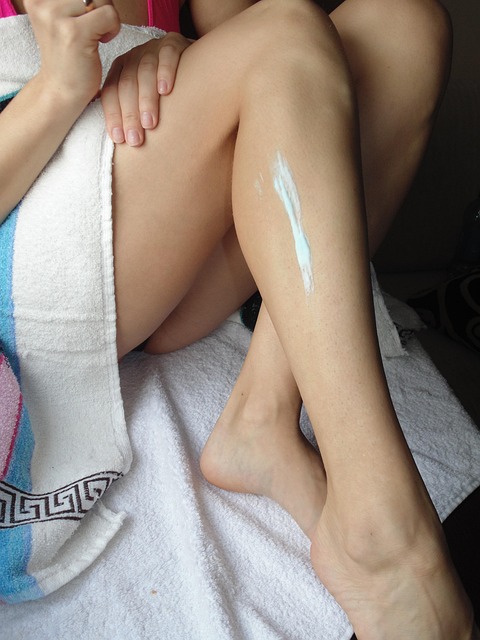
Non-medicated approaches to wart removal have gained significant popularity due to their safety, accessibility, and effectiveness. At-home remedies and natural treatments offer a trusted wart removal provider naturally, with options that can be easily incorporated into daily routines. One of the most well-known natural remedies is duct tape, which has been shown in some studies to be as effective as prescription medications. This simple method involves applying duct tape over the wart for several days, followed by its careful removal and the application of salicylic acid. Other popular choices include apple cider vinegar, garlic, and tea tree oil, each with unique active ingredients that can help break down the wart’s skin.
For those seeking more specialized treatment options, cosmetic wart removal services in cities like Manchester, Cambridge, and Milton Keynes are readily available. These professional treatments often involve cryotherapy, where liquid nitrogen is used to freeze the wart. While this method may cause temporary discomfort, it has a high success rate and can be highly effective for stubborn warts. Additionally, laser treatments offer a precise and painless alternative, particularly suitable for sensitive areas or people with weakened immune systems. It’s important to note that natural remedies might require more time and patience but generally carry fewer side effects compared to medicated options.
When considering non-medicated approaches, it’s crucial to understand that not all warts respond to treatment equally. Common warts, for instance, tend to be more susceptible to natural remedies, while genital warts may require prescription medications or professional intervention. Consulting with a healthcare provider or trusted wart removal specialist can help determine the best course of action based on wart type and severity. Moreover, combining home care with expert advice can lead to optimal results, ensuring that unsightly warts are removed effectively and safely.
Trusted Wart Removal Provider: Choices and Considerations for Effective Results
When it comes to removing warts, individuals often find themselves at a crossroads between medicated and non-medicated options. This decision is pivotal, as the choice can impact both the effectiveness of treatment and overall patient experience. In this context, establishing a trusted wart removal provider is paramount for achieving desirable outcomes. Let’s delve into the considerations that underpin this critical choice, with a particular focus on private wart removal services in key locations such as Newcastle, Manchester, and Cambridge.
Non-medicated wart removers, often involving topical treatments or natural remedies, have gained popularity for their perceived gentleness and minimal side effects. However, their efficacy can be variable, with some users reporting mixed results. For instance, salicylic acid, a common active ingredient, is effective in many cases but may not be suitable for sensitive skin or warts located on certain areas of the body. In contrast, medicated options, typically containing prescription-strength ingredients like podophyllotoxin or cantharidin, offer higher success rates but come with potential side effects and contraindications. A trusted wart removal provider will be able to guide patients through these choices, considering their specific needs and medical history.
In cities like Newcastle, Manchester, and Cambridge, where access to specialized private clinics is readily available, the decision-making process becomes more focused on finding a qualified professional who can offer tailored solutions. For instance, some providers in these areas may employ cryotherapy (freezing) or laser treatments, which are not easily accessible through over-the-counter products. These advanced techniques can be highly effective but require expert handling. Patients seeking private wart removal in Newcastle, Manchester, or Cambridge should consider providers with proven track records and a deep understanding of the latest treatment modalities.
Ultimately, selecting a trusted wart removal provider involves balancing effectiveness, safety, and personalized care. Consulting healthcare professionals within these urban centers can provide valuable insights into the most suitable approach for individual cases. By considering factors like expertise, technology employed, and patient reviews, individuals can make informed decisions that contribute to successful wart removal outcomes.
In comparing medicated and non-medicated wart removers, this article has provided a comprehensive guide to effective treatment options. Key insights reveal that while topical creams offer rapid relief with high efficacy, natural remedies provide a gentler approach with potential long-term benefits. Understanding the causes and types of warts empowers individuals to make informed choices. Trusted wart removal providers can offer specialized care, ensuring success rates through professional application and guidance. Moving forward, readers are encouraged to explore non-medicated options for targeted, natural wart removal, backed by scientific evidence and accessible through a trusted wart removal provider naturally.